The Politics of Youth Hockey: What Every Parent Needs to Know (But Few Talk About)
It’s the uncomfortable truth behind many hockey stories: politics.

Even the most talented players can be affected by favoritism, coach relationships, team dynamics, and off-ice influence. And while it’s easy to say “just let the kids play,” experienced parents know that navigating the politics of youth hockey is a skill of its own.
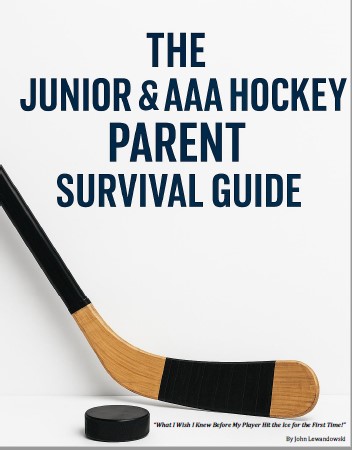
Chapter 5 of the Junior & AAA Hockey Parent Survival Guide tackles this head-on — giving parents a way to protect their player’s development and sanity in a system that isn’t always fair.
1. Yes, Politics Exist — But They're Not Always What You Think
Many parents assume that politics always means backdoor deals or nepotism. While that does happen, the more common reality is subtler:
-
Coaches playing “safe” players they trust
-
Local kids given preference for logistical reasons
-
Politics of team finances (top payers or fundraisers getting more leeway)
-
Returners getting the benefit of the doubt over new players
The guide helps you identify when politics are real — and when they’re just part of natural team dynamics.
2. Relationships Matter — Learn to Build Them, Not Fight Them
One of the most misunderstood ideas in youth hockey is that staying quiet and “letting the play do the talking” is enough. But in reality, building respectful relationships with coaches, managers, and other parents can positively influence how your player is perceived.
Chapter 5 teaches you how to:
-
Advocate without being that parent
-
Communicate concerns professionally
-
Help your player build strong internal team relationships
-
Read the room when it comes to politics and positioning
3. Don't Let Politics Derail the Player's Confidence
A player who feels overlooked, benched, or “not one of the favorites” can quickly lose their drive. This is where parental mindset and guidance make the biggest difference.
The guide covers strategies to help your player:
-
Focus on controllables (effort, attitude, training)
-
Respond to adversity with maturity
-
Learn how to self-advocate when appropriate
-
Avoid gossip and drama that can hurt their rep
4. Learn When It’s Time to Walk Away
In some cases, the political climate is toxic enough to warrant a change. But this decision requires thought — not emotion.
We offer a decision framework in Chapter 5 for:
-
Evaluating whether it’s a team culture or just a tough season
-
Weighing development vs. visibility
-
Knowing when to stay and fight — or move on for the right reasons
Master the Politics So Your Player Can Focus on Playing
You don’t have to love the political side of hockey — but understanding how it works can protect your player, your family, and your investment in the game.
Chapter 5 of the Junior & AAA Hockey Parent Survival Guide offers clear strategies, real-world examples, and a grounded perspective from parents who’ve already been through it.
Download the Guide: Junior & AAA Hockey Parent Survival Guide
Learn how to manage the political side of hockey while keeping your player focused, confident, and supported.
You can also explore all of our hockey education guides at: Hockey Tips for Parents
More Trusted Resources for Players & Parents



📬 Subscribe for Daily Hockey Tips by Email!

👍 Follow us on Facebook for more daily insights!
💬 Have a question or experience to share? Leave a comment below—we'd love to hear from you!



Comments
Post a Comment